Construction-Digital / Case Study

Multi-Brand Construction & Engineering Group

Construction & engineering group

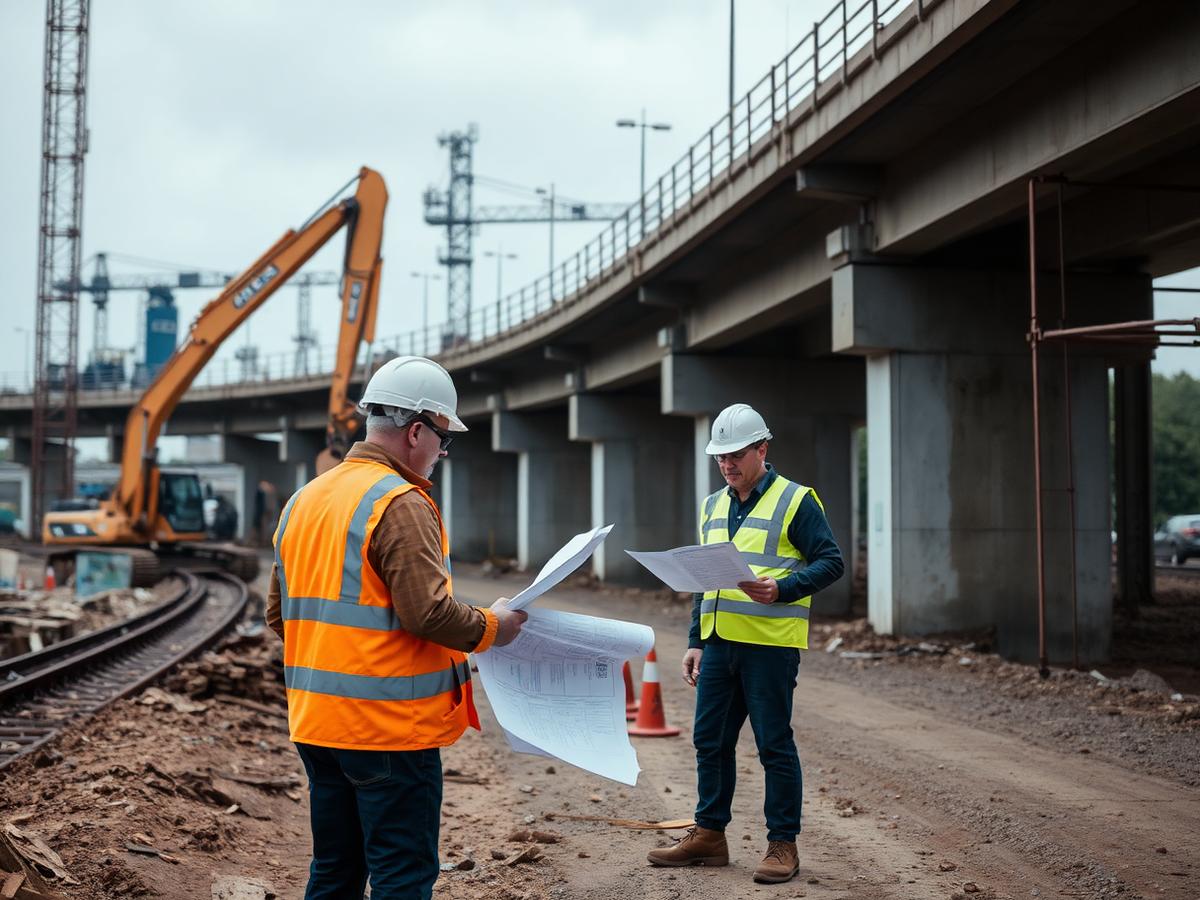
Large construction site with tower cranes and structural works in progress
The Result

Multi-brand business

A multi-brand construction and engineering business was brought onto a single digital strategy without losing the specialism that made each division competitive.

The Brief

The Brief

A construction and engineering group operating several trading brands across contracting, consultancy and specialist services had grown largely through acquisition. Each brand arrived with its own website, its own agency history and its own idea of what marketing meant.

The result was a digital estate that worked against itself. Group brands competed for the same search terms, brand presentation varied wildly in quality, and there was no way for a client of one division to discover the capability of the others.

The board wanted a coherent group presence that supported cross-selling and tender credibility, without flattening the specialist identities that won work at brand level.

Services
Digital StrategyWeb Design & DevelopmentSEOContent MarketingAI Search / GEO
Objectives

What we set out to do

01

Unify The Digital Estate

Bring separate brand web presences into one governed, consistent system.

02

Stop Internal Competition

Remove keyword and messaging overlap between group brands.

03

Enable Cross-Selling

Make full group capability visible to every client of every division.

Approach

The Strategy

The first phase was an audit rather than a redesign. We mapped what each brand actually sold, who bought it, and where the group was cannibalising its own visibility. Several divisions were bidding for identical terms and paying twice to reach the same buyer.

From that we built a group architecture: a parent presence carrying credibility, capability and tender-facing content, with brand sites positioned around distinct service territories. Each division kept its specialism and its language; none of them kept the overlap.

Content and SEO were planned at group level and delivered at brand level, so authority accumulated across the estate instead of being split across competing domains. Structured, well-organised capability content also made the group far easier for AI search tools to summarise accurately — increasingly the first place procurement teams look.

Finally we put governance in place: shared components, shared standards, and a clear rule for where new acquisitions sit in the structure so the problem does not rebuild itself with the next deal.

Group digital architecture

Parent and brand-level structure mapped across the group.

Search overlap analysis

Keyword cannibalisation identified between group brands.

Capability content framework

Shared content standards applied across the estate.

Proof

The Results

Multi-brand
Brought onto a coordinated digital strategy
One estate
Consolidated group and brand-level structure
Zero overlap
Internal search competition removed between brands
So what?

The Outcome

The group stopped paying several times over to solve the same problem. Clients of one division can now see the capability of the whole group, tender teams have credible capability content to point at, and every new acquisition has a defined place in the structure rather than another orphaned website. Marketing became a group asset instead of a set of local overheads.

Campaign Highlights

  • Group digital architecture defined
  • Internal keyword competition eliminated
  • Cross-selling journeys built between brands
  • Capability content structured for AI search visibility
  • Governance model set for future acquisitions
Next step

Want your marketing to work harder?

Construction businesses need more than traffic. They need visibility, enquiries and commercial growth.

See what we do